Page access and stable links
Product pages should be reachable, internally connected, and tied to stable preferred addresses that shopping systems can revisit.

When the public source stays wrong, the next update can restore the conflict. Our free check documents the storefront mismatch. We can open a private diagnostic comparison after a fit review when the evidence supports it.
Public pages only. Our public check cannot confirm private settings, eligibility, activation, placement, approval, or sales.
A different price can disrupt a purchase, incorrect stock can hide an available product, and a mismatched code or size can give shoppers the wrong information.
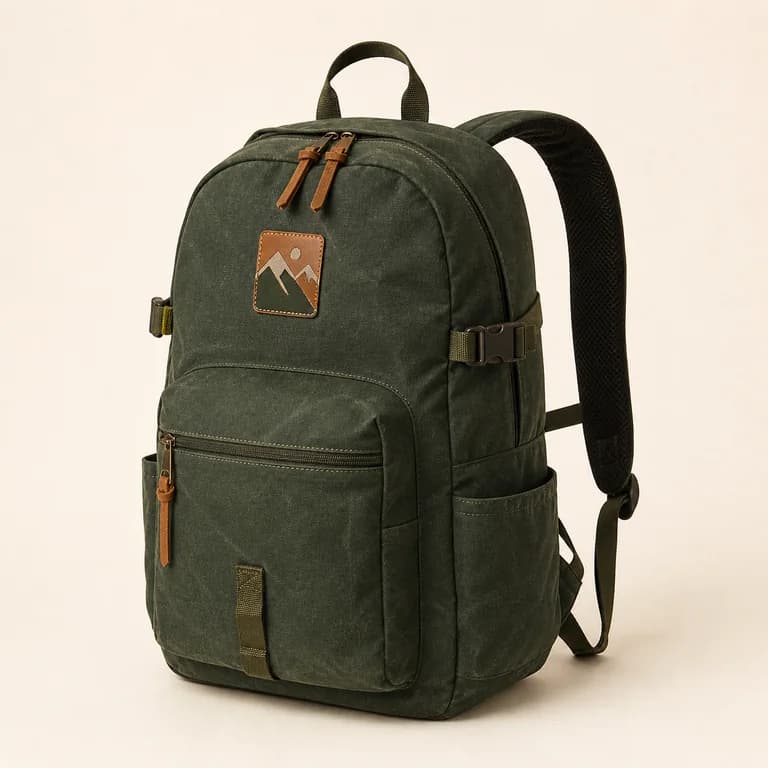
What we would verify: We would verify the market, currency, promotion, and selected option before recommending a correction.
Merchant Center, landing pages, and the product file each contribute different evidence. The scan compares the public layer and shows which one contains the confirmed gap.
Product pages should be reachable, internally connected, and tied to stable preferred addresses that shopping systems can revisit.
We compare visible title, price, currency, stock, identifiers, images, and variants with the information built into the page.
Shipping, returns, support, privacy, terms, seller identity, and regional context need to be clear before deeper Google-side work.
Google currently keeps Merchant Center product data at the center of AI shopping while UCP checkout follows a selection, onboarding, and technical implementation path.
Approved product data, identifiers, variants, imagery, price, availability, policies, and optional conversational attributes support discovery readiness.
Current guidance requires a Merchant Center account in good standing, approved free-listing products, Google selection, onboarding, and technical implementation.
Onboarding is rolling out in the United States, Canada, and Australia, while current checkout availability remains limited to select U.S. merchants.
Site Scanner cannot inspect private Merchant Center diagnostics, approve products or free listings, confirm Google selection, test Google Pay or UCP APIs, activate checkout, guarantee placement, or predict sales.
Your result documents what the page shows and whether the available evidence supports a platform-specific review.
Run the free product check